GI Cancer Surgery
Rectal Cancer treatment in Chennai
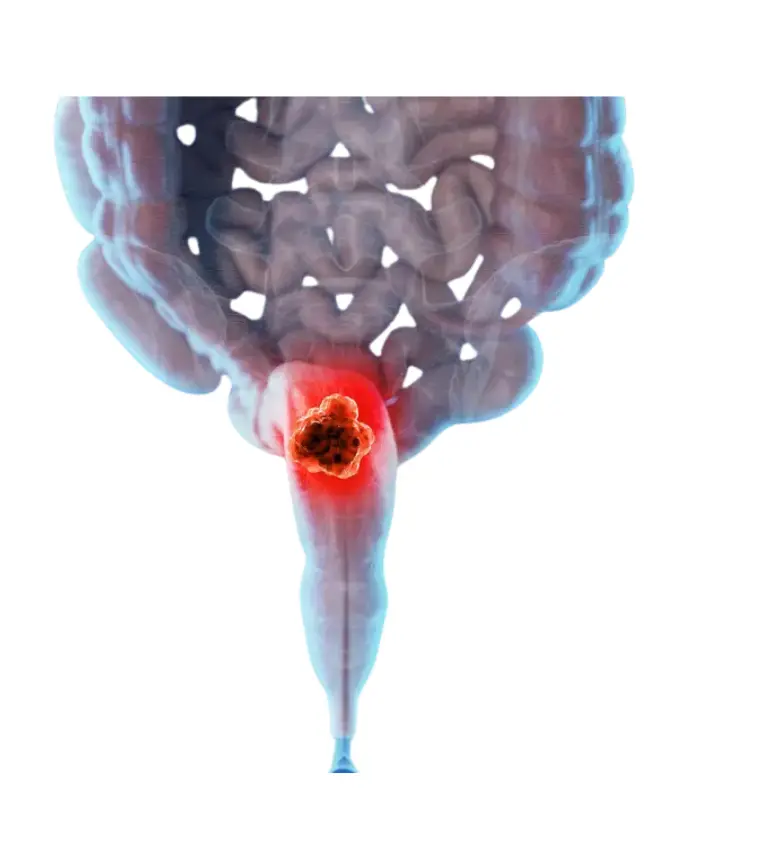
In rectal cancer,abnormal cells grow in the rectum,the last part of the large intestine. Diverting Colostomy A colostomy that is inserted above a tumor in the GI tract can be used to treat a rectal obstruction.
Book a consultation +91 93603 91740
- 28+ yearsin practice
- 20,000+laparoscopic surgeries
- 4.9/5300+ Google reviews
- BillrothShenoy Nagar

Key facts about Rectal Cancer
- Condition
- Rectal Cancer
- Speciality
- GI Cancer Surgery
- Approach
- Keyhole where suitable
- Treated by
- Dr. Kumaragurubaran
- Hospital
- Billroth, Shenoy Nagar
- Consultations
- Mon–Sat, no referral
What is Rectal Cancer?
In rectal cancer,abnormal cells grow in the rectum,the last part of the large intestine.
Diverting Colostomy
A colostomy that is inserted above a tumor in the GI tract can be used to treat a rectal obstruction.
DR.KUMARAGURUBARAN is one of the Best Doctor in treating COLON CANCER and colon related disorders.
Symptoms of Rectal Cancer
The signs patients most often describe. Anything lasting more than a few weeks is worth having examined.
- Bleeding in the rectal area
- An abrupt shift in the timing and manner of the bowel movements
- Poop that has a thin appearance or seems stringy
- Stomach aches
How Rectal Cancer is diagnosed
No operation is planned on a guess — the diagnosis is established first.
- A colorectal cancer screening test may detect rectal cancer.
- Alternatively, the symptoms could lead to suspicion.
- The following tests and methods are used for verifying the diagnosis:Colonoscopy
How Rectal Cancer is treated
-
The higher portion of the rectum is where the cancerous part is excised.
-
Additionally, lymph nodes and some healthy tissue are taken out for analysis.
-
After that, the colon and rectum are rejoined.
-
To facilitate recovery, a temporary ileostomy may occasionally be performed.
-
Anus, the anal sphincter, and surrounding tissue are removed during an abdominal- perineal resection (APR).
-
A permanent colostomy is required.
-
In this procedure
-
The whole rectum is removed
-
Directly joining the colon to the anus
-
Sometimes, surgeons will use a portion of the colon to form a pseudo rectum, which will serve as a storage area for feces before they leave the body.
-
In rare circumstances, a temporary ileostomy is required.
Keyhole versus open surgery
Typical differences for a planned procedure in a generally healthy adult. Your own risks are discussed with you before consent.
| Measure | Open surgery | Keyhole |
|---|---|---|
| Incision | One cut, 10–15 cm | Three or four cuts, 5–10 mm |
| Hospital stay | 3–5 nights | Same day to 1 night |
| Back to desk work | 4–6 weeks | About 1 week |
| Wound infection risk | Higher | Substantially lower |
| Scarring | One long scar | Marks that fade |
| Still right when | Dense adhesions, bleeding, unclear anatomy | The large majority of planned cases |
Why patients choose this practice
Diagnosis before decision
No operation is scheduled on a guess. Many patients who arrive expecting surgery leave with a treatment plan instead.
Costs in writing, first
A written estimate covering surgeon, theatre, anaesthesia, implants and expected stay before you are asked to consent.
Keyhole most of the time
Ninety-five per cent of procedures are completed through keyhole access; the rest are open because open was the safer call.
Second opinions
If surgery has been advised elsewhere, bring the scans and the plan. Reviewing another surgeon’s recommendation is routine.
About the surgeon
Treated by
Dr. Kumaragurubaran
Senior Surgical Gastroenterologist, Advanced Laparoscopic, GI & Robotic Surgeon
MBBS, MS (General Surgery), MRCS (England), FIAGES (Gastro), FALS (Colorectal, Bariatric, Hernia, Robotic), Dip. ALS (Advanced Laparoscopy)
Gastroenterologist, GI & Laparoscopic Surgeon at Billroth Hospitals in Shenoy Nagar, Chennai. Treats Hernia, Reflux, Obesity, Colorectal, Gastrointestinal and Anorectal conditions, and provides medical treatment for GERD, Gastritis, Peptic ulcer, Jaundice, Pancreatitis, Colitis and IBD.
Rectal Cancer: frequently asked questions
What is Rectal Cancer?
In rectal cancer,abnormal cells grow in the rectum,the last part of the large intestine. Diverting Colostomy A colostomy that is inserted above a tumor in the GI tract can be used to treat a rectal obstruction.
What are the symptoms of Rectal Cancer?
Bleeding in the rectal area. An abrupt shift in the timing and manner of the bowel movements. Poop that has a thin appearance or seems stringy. Stomach aches.
How is Rectal Cancer diagnosed?
A colorectal cancer screening test may detect rectal cancer. Alternatively, the symptoms could lead to suspicion. The following tests and methods are used for verifying the diagnosis:Colonoscopy.
How is Rectal Cancer treated?
The higher portion of the rectum is where the cancerous part is excised. Additionally, lymph nodes and some healthy tissue are taken out for analysis. After that, the colon and rectum are rejoined.
Who treats Rectal Cancer in Chennai?
Dr. Kumaragurubaran, Senior Consultant Gastroenterologist, Laparoscopic, GI & Robotic Surgeon at Billroth Hospitals, Shenoy Nagar, Chennai, treats Rectal Cancer. He has 28 years of experience and has performed more than 20,000 laparoscopic surgeries.
How do I book a consultation for Rectal Cancer?
You can call +91 93603 91740, message on WhatsApp, or send the appointment form on this site. No referral is needed and most patients are seen within the same week. Consultations run Monday to Saturday at Billroth Hospitals, Shenoy Nagar.
Medically reviewed by Dr. Kumaragurubaran, MS (General Surgery), DNB (Surgical Gastroenterology), Senior Consultant at Billroth Hospitals, Shenoy Nagar. This page is patient education and does not replace a consultation in which you have been examined.
Next step
Discuss Rectal Cancer with Dr. Kumaragurubaran
Bring any scans or reports you already have. You will be told plainly what is wrong, what the options are, and what happens if nothing is done.