
Service
Laparoscopic Surgery
Keyhole surgery through incisions of a few millimetres, with less pain and a quicker return to normal life.
Conditions treated under this service

Appendicitis
Inflammation of the appendix causing lower-right abdominal pain. Diagnosis and laparoscopic appendicectomy by a senior surgical ga…
Read more
Bowel Perforation-Intestinal Perforation
Bowel perforation is a hole through the wall of the small or large intestine that lets intestinal contents leak into the abdominal…
Read more
Gastric Disorders
Gastric disorders cover inflammation of the stomach lining, including gastritis, pangastritis affecting the whole stomach, and ant…
Read more
Gastrointestinal Bleeding
Bleeding in the gastrointestinal tract (GI) indicates a digestive tract problem .In any of the digestive organs, GI bleeding may h…
Read more
Gerd-Gastroesophageal Reflux Disease
Gastroesophageal reflux disease (GERD) ,In this condition a physiological valve (lower oesophageal sphincter-LES)in the lower part…
Read more
Inflammatory Bowel Disease- Ibd-Ulcerative Colitis/ Crohn's Disease
The term ?inflammatory bowel disease? (IBD) refers to a number of illnesses in which there is an inflammation of the intestines ca…
Read more
Laparoscopic Surgery
Laparoscopic surgery, also called keyhole or minimal access surgery, is performed through a few small incisions instead of one lon…
Read more
Large Intestine-Colon Disorders
A) Irritable Bowel Syndrome Irritable bowel syndrome (IBS) is a digestive disorder.It is a collection of symptoms that often are a…
Read more
Meckel's Diverticulum
Meckel’s diverticulum, which is situated in the bottom section of the small intestine, is a little protrusion that extends from th…
Read more
Obesity
Obesity is the excessive build-up of body fat, typically brought on by consuming more calories than the body can absorb.
Read more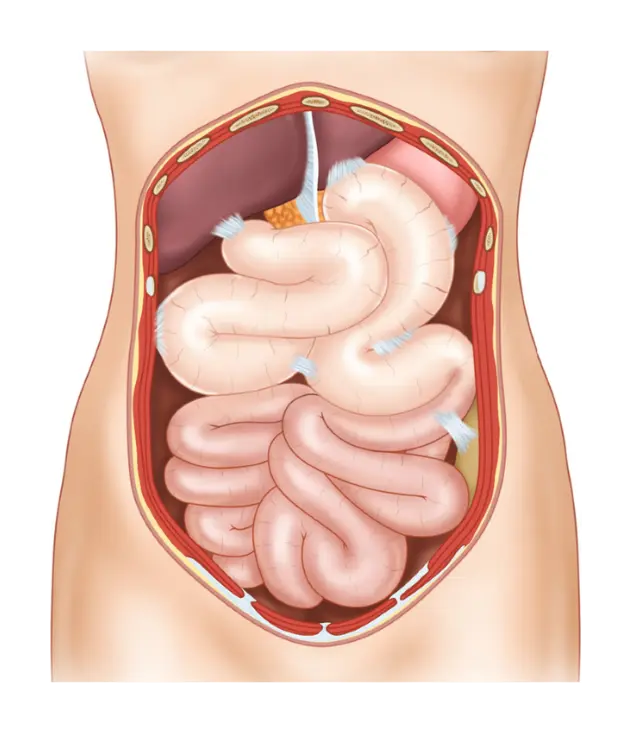
Small Bowel Disorders -Small Intestine Disorders Intra-Abdominal Adhesions
An adhesion is a ring of scar tissue that connects two unconnected internal body surfaces.
Read moreDiscuss your case
Bring any scans or reports you already have — they often prevent a repeat test.